Case Study: Tetrad Discovery
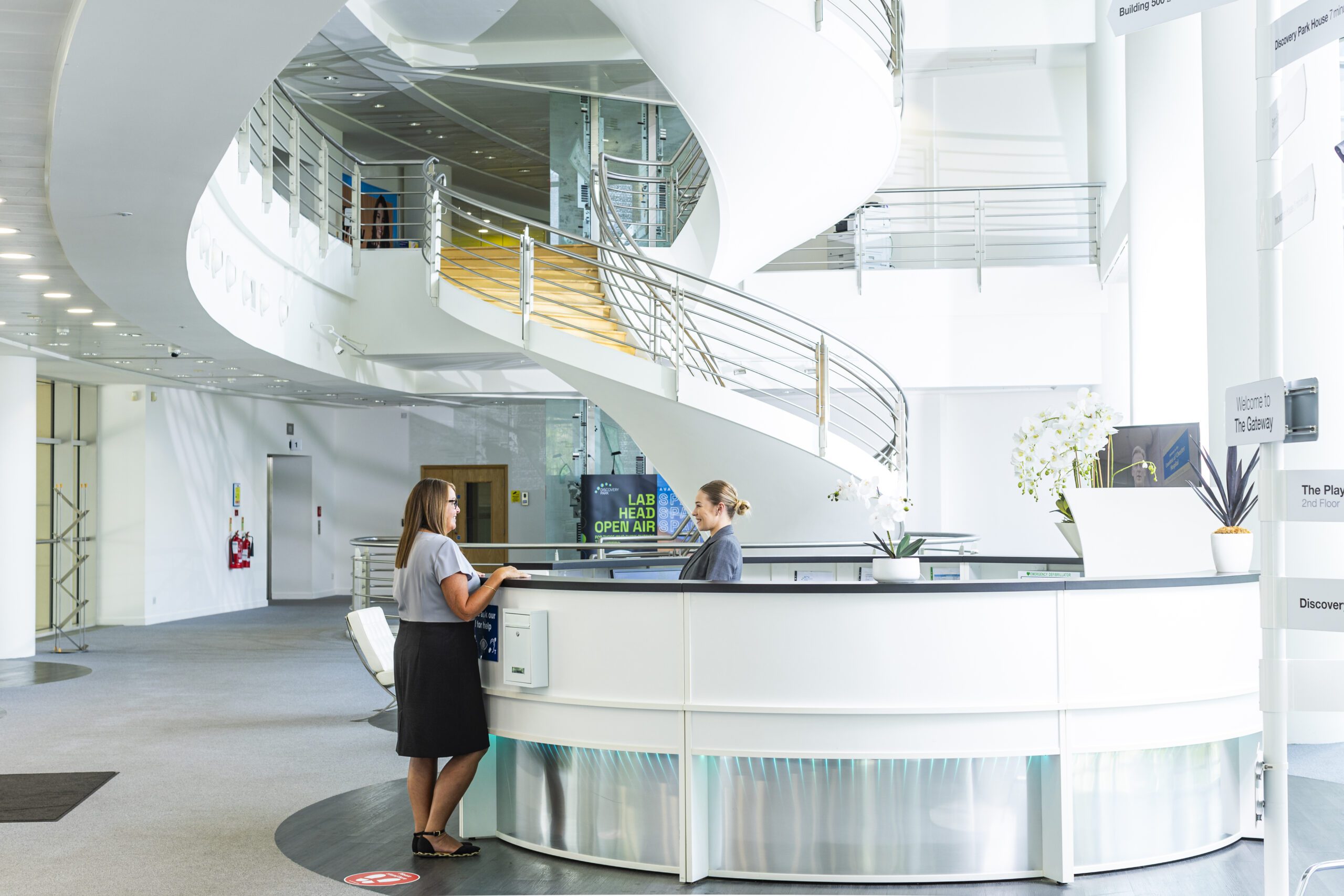
Tetrad Discovery is an agile CRO that keeps clients in direct contact with the scientists doing the work. The team has labs in Building 500 at Discovery Park.
As a contract research organisation (CRO), Tetrad supports the pharmaceutical and biotechnology industries. The team works as an extension of its clients’ in-house research, turning molecules into meaningful data to advance medicines. Their agile ways of working let them build bespoke assays around each unique target.
Behind the innovation
Tetrad’s story begins in 2012, when research scientist Simon Westbrook set out to turn his idea for a new osteoarthritis chronic pain medication into reality. Simon struggled to find a CRO that could deliver a proof of concept quickly, and his wife, Dominique Westbrook, saw a gap in the market for a research partner agile enough to support early-stage ideas. From that frustration, Tetrad Discovery was born.
Now 14 years later, Tetrad still operates with the same mission, still supporting many early-stage startups to get their proof of concept off the ground. Adrian Herron, Operations Manager, explains: “We pride ourselves on bypassing the “mega-CRO” queue, as we can often begin project setup and analysis significantly faster than larger firms. We thrive on developing novel, bespoke assays tailored to unique targets, but we aren’t pigeonholed. We can collaborate to design a high-quality, cost-effective package that meets a client’s exact requirement.”
The benefits of being based at Discovery Park
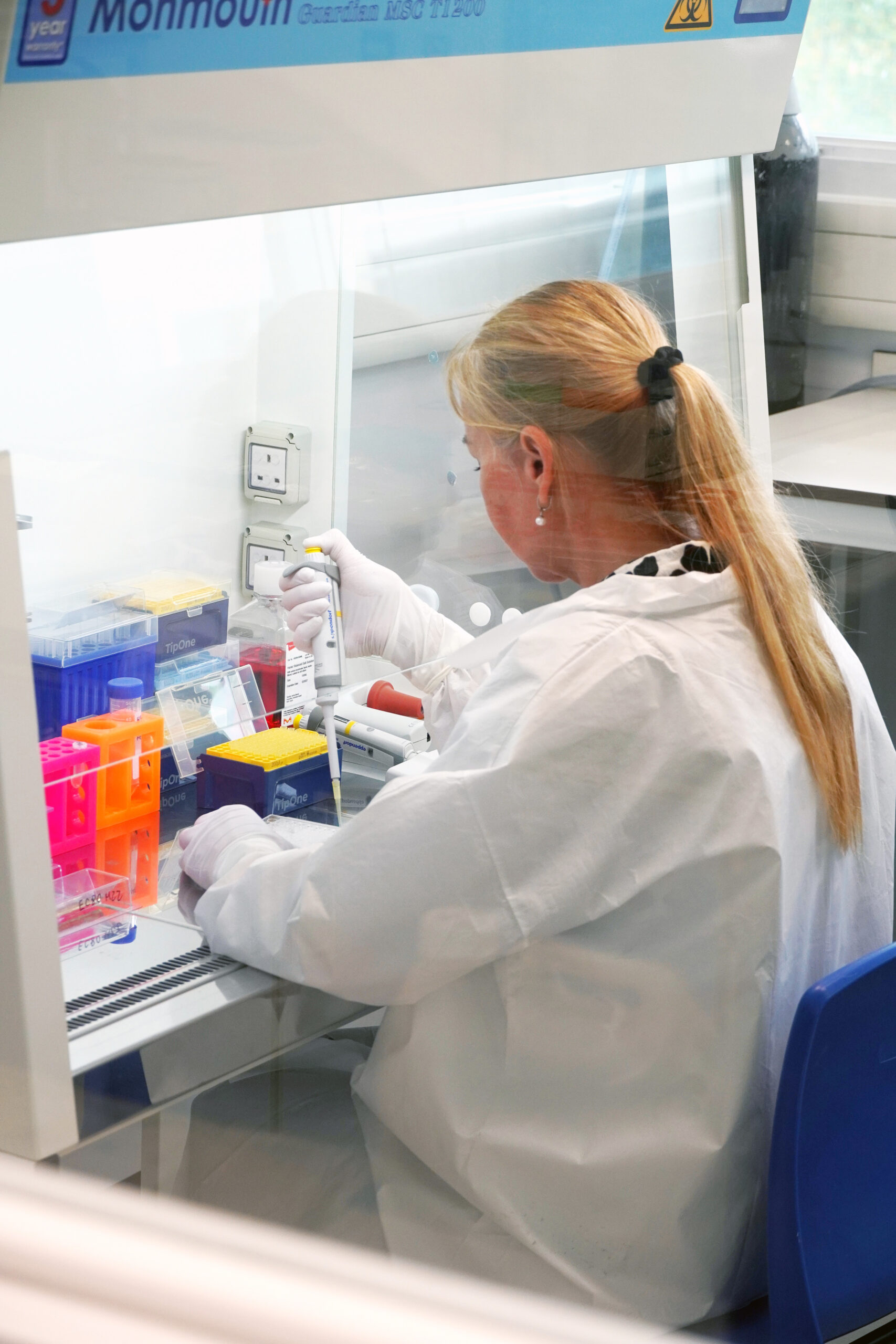
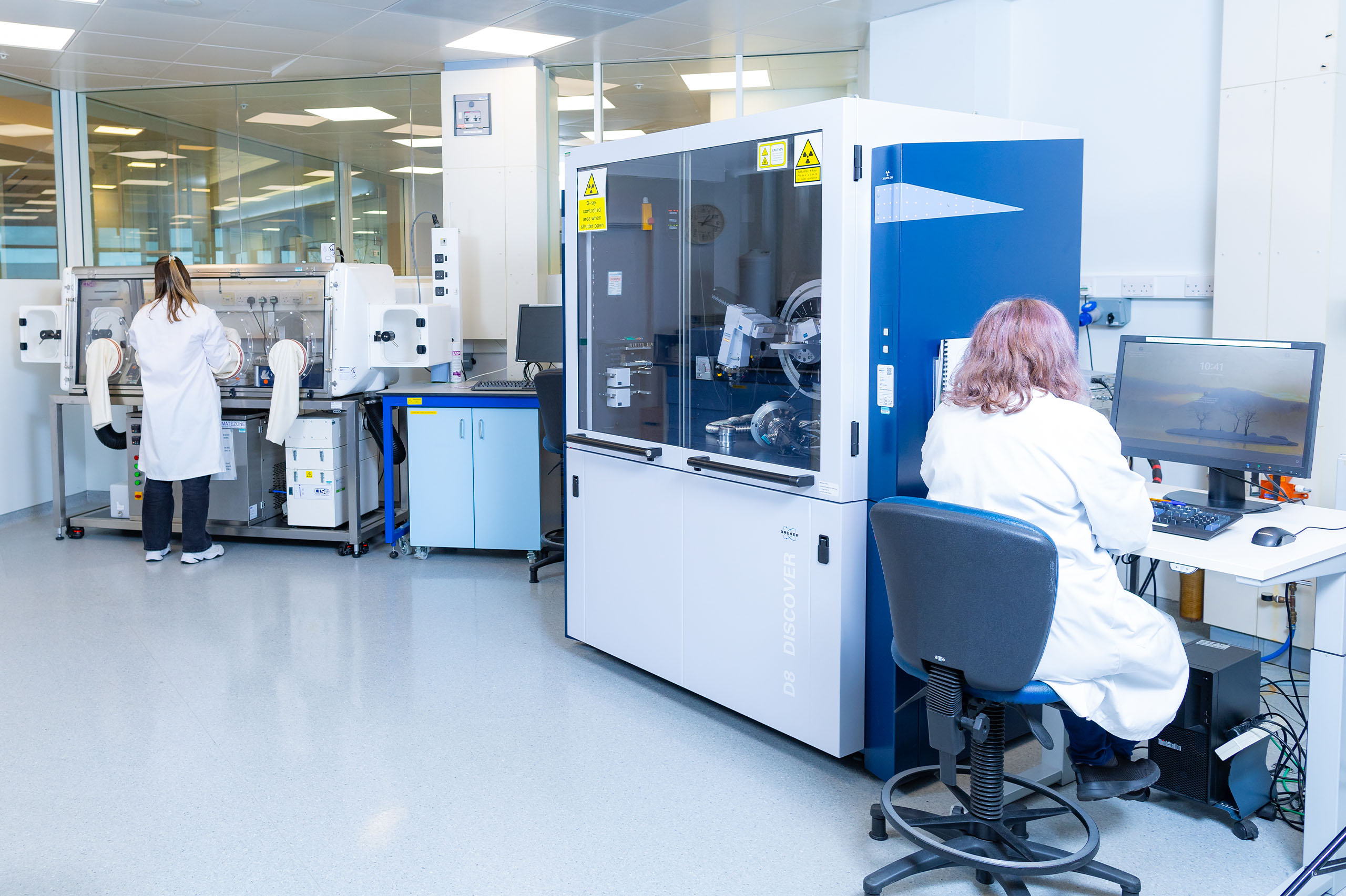
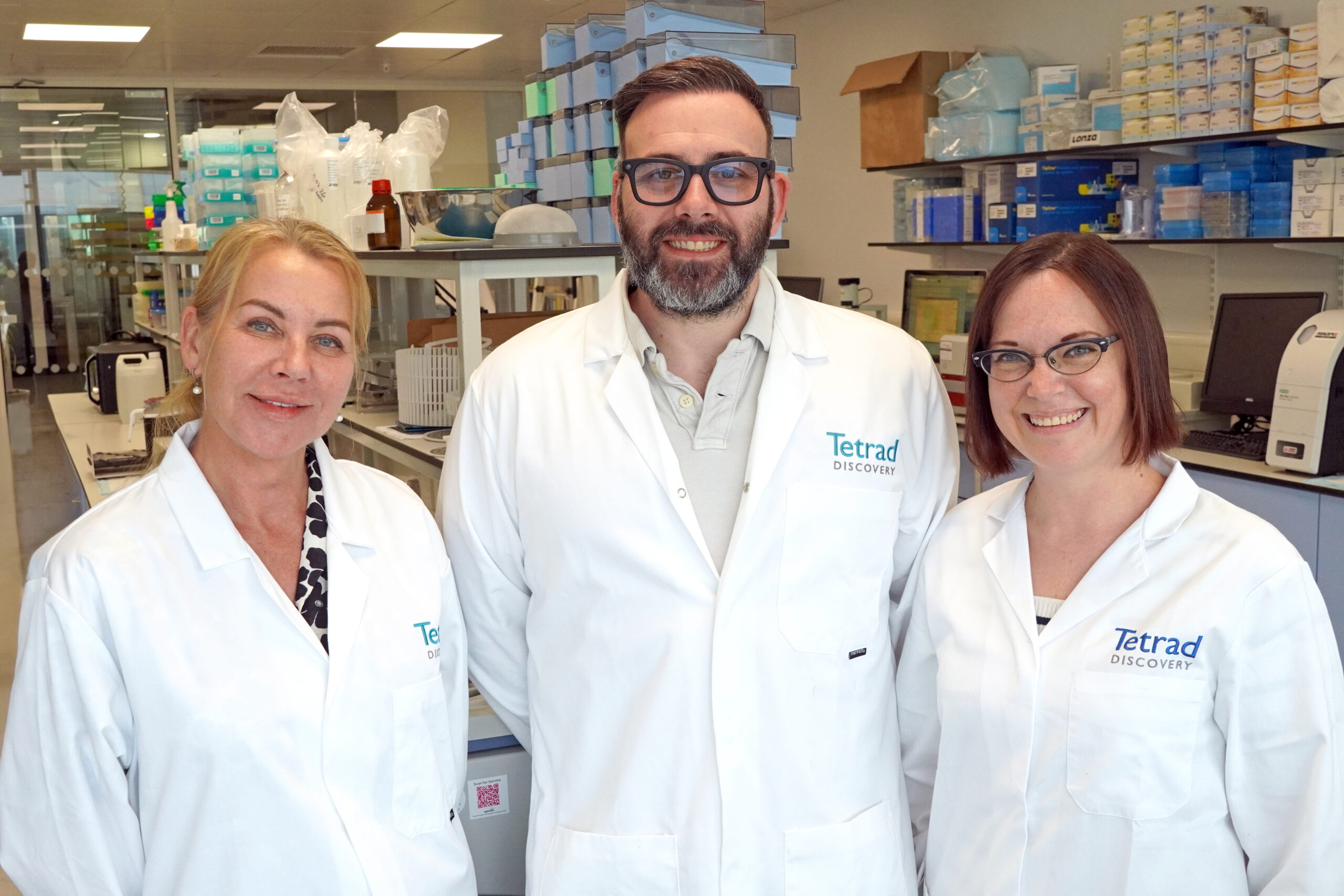
The team is based in Building 500 at Discovery Park, which comprises newly renovated and flexible lab spaces for life science SMEs. The team has dedicated write-up space and bespoke labs to meet their needs, with high-specification bio-analytical suites, tissue processing zones, and scalable infrastructure for high-throughput client pipelines. Tetrad has come full circle: founded onsite in 2012, the team left briefly for a newer space at another business park before returning in 2021. The team cited the Discovery Park scientific community as a big reason for their return, along with the newly multi-million-pound renovated lab spaces now on offer.
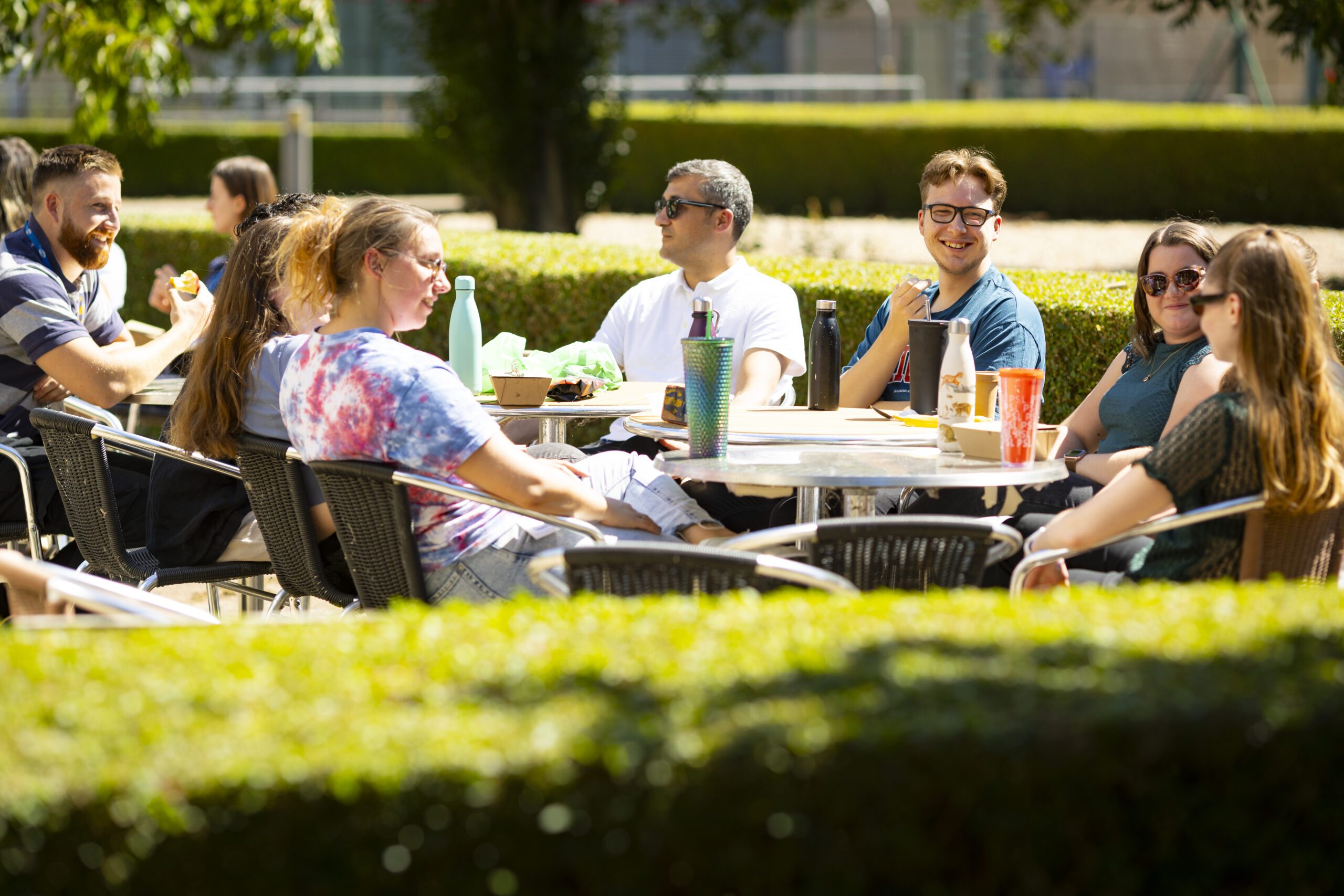
The team have found their fellow lab tenants in Building 500 to be friendly and up for helping each other out. There is a community spirit, with knowledge sharing and even a lunchtime table tennis tournament started by Tetrad. They have forged working partnerships with onsite companies, along with finding suppliers including accountants, logistics and even branding and marketing. For a company that often feels like a family — the shortest tenure is currently five years — a positive culture matters.
Tetrad have also made use of academia links at Discovery Park, including the onsite industry liaison lab run by Canterbury Christ Church University. This allowed the team to easily access specialist and expensive equipment for a niche project. The University has been a great source of talent for Tetrad, as their current Senior Associate Scientist first worked with the team whilst completing her final year project at the onsite liaison labs.
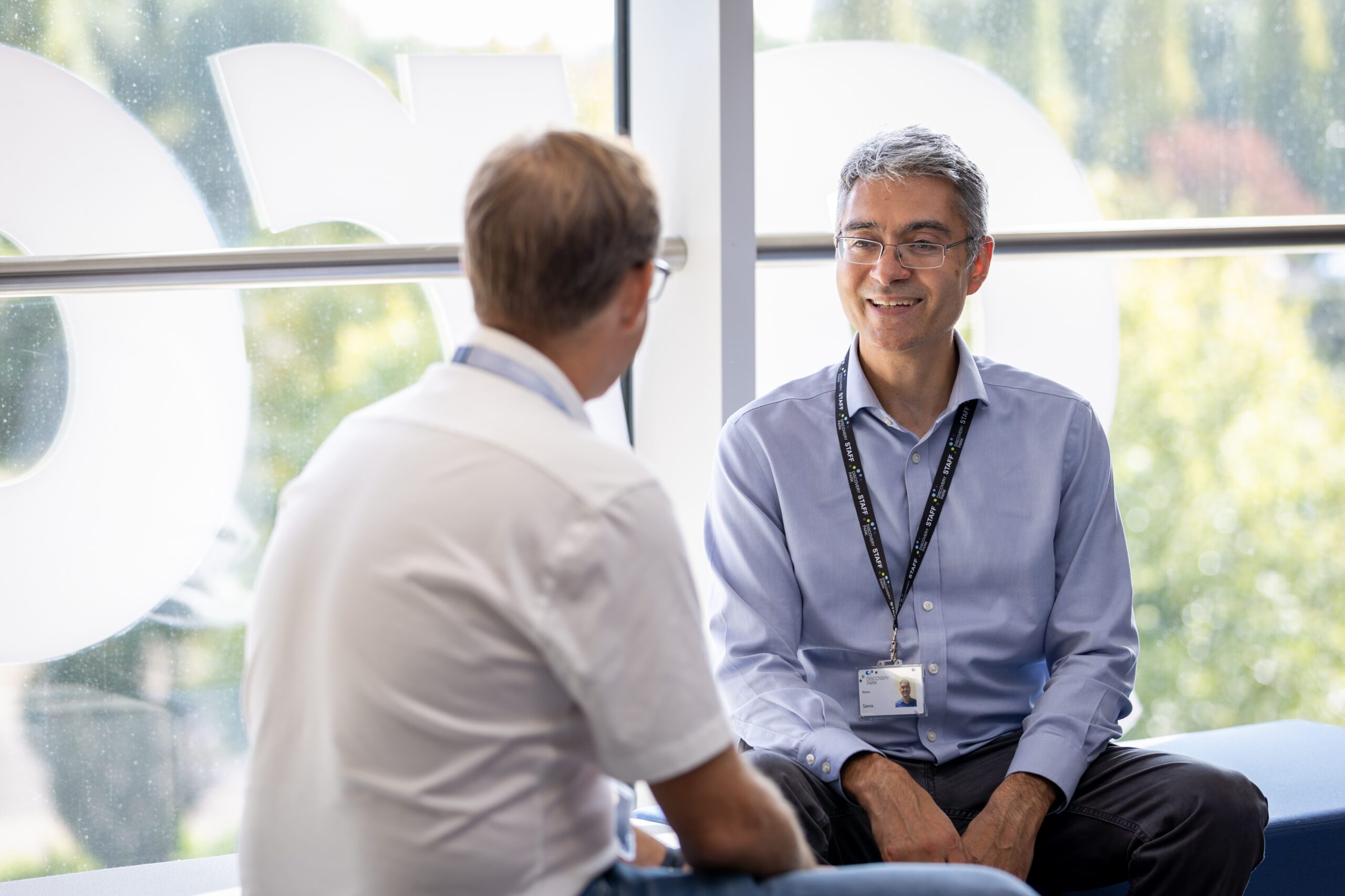
“What sets Discovery Park apart is its scientific community. Being surrounded by other life-science companies means there’s always someone to collaborate with, learn from, or catch up with over coffee. Top-quality, flexible lab space is a given here — what you can’t design into a building is the community, and that’s what makes it somewhere to grow, not just somewhere to work.”
— Rachel McCarthy, Principal Scientist at Tetrad Discovery
Future growth plans
Tetrad has ambitious growth plans but is determined to keep the personal approach that lets the team work closely with clients, often over many years: some have been with Tetrad since seed funding and are now entering Phase III trials. The team is also exploring collaboration opportunities with tenants at Discovery Park, including a potential partnership with an in vivo specialist CRO that would unite their complementary skills.
They are always exploring new technologies and ways to innovate. Tetrad was the first CRO in the UK to use ELLA, an immunoassay problem solver that can reduce assay timelines from two days to 90 minutes. It also works on tiny sample sizes and analyses multiple data points per cycle, a mark of the team’s willingness to try new technology.
Tetrad is also extending its international reach, with a second office site in Dubai. This helps the team support biotech clients across the Middle East and South East Asia, a growing area of focus. Adrian added: “Growth, for us, isn’t about becoming another large CRO. It’s about doing more of what we already do well — moving quickly, trying new techniques, and keeping our scientists in direct contact with the clients they work with.”
For all its international ambition, Tetrad stays rooted in Kent. The team is a committed supporter of STEM talent, explaining that “fostering the regional talent pipeline isn’t just a corporate responsibility; it’s an investment in the future of South East science.” The team now has a university placement student who works with them once a week. They also offer frequent work experience placements and are heavily involved with the Education Business Partnership Student Employability Days at Discovery Park, delivering mock interviews and CV refinement for students. The team has been involved for the past three years, clocking up over 30 hours of dedicated face-to-face mentoring. They are also involved with the annual science jamboree at Discovery Park, conducting eye-catching experiments with purple explosions of potassium permanganate to capture the interest of young minds.
What began in 2012 with one scientist’s frustration is now a business with an international reach, but the instinct behind it hasn’t changed: stay close to the science, and to the people doing it. For Tetrad, Discovery Park remains the place to do both.
Learn more: https://www.t4bio.com/